

This shloka from Charak Samhita means: Ayurveda is a science that describes the advantageous, disadvantageous, happy and unhappy states of life and explains what is good and bad for life and its measurement. This ancient science deals with not only longevity but also with maintaining healthy Body, mind and soul.
Ayurveda, the ancient system of medicine originating in India, holds immense significance and relevance in modern times. This essay explores the definition of Ayurveda, its profound impact on holistic well-being, and its continued relevance in addressing contemporary health challenges. By understanding the core principles and practices of Ayurveda, individuals can embrace this ancient wisdom to enhance their physical, mental, and spiritual well-being.
Definition of Ayurveda: Ayurveda, derived from the Sanskrit words “Ayur” (life) and “Veda” (knowledge), is often referred to as the “Science of Life” or the “Art of Living.” It is a comprehensive system of medicine and lifestyle practices that emphasize the balance and harmony of the body, mind, and spirit. Ayurveda recognizes the interconnectedness of all aspects of life and offers personalized approaches to promote health, prevent disease, and support overall well-being.
Significance and Relevance in Modern Times: Ayurveda’s significance lies in its holistic approach to health and well-being, which resonates with the growing interest in natural and integrated healthcare practices. In the modern era, where individuals are seeking alternatives to conventional medicine, Ayurveda offers a profound understanding of the interplay between lifestyle, diet, emotions, and overall health.
Ayurveda, the ancient system of medicine, has a rich and fascinating history that spans thousands of years. Its origins can be traced back to the Vedic period in ancient India. This section explores the different historical periods and influential factors that shaped the evolution of Ayurveda.
Ayurveda’s evolution was not limited to the Indian subcontinent but also drew influence from other cultures through exchange and assimilation of knowledge. The interactions between ancient Indian civilization and other regions, such as Greece, Persia, and China, resulted in the cross-pollination of medical knowledge. Over time, Ayurveda continued to evolve and adapt to changing circumstances and societal needs. Its principles and practices were preserved and passed down through generations of Ayurvedic practitioners, ensuring the continuity and relevance of this ancient wisdom in the present day.
The history and origins of Ayurveda provide insights into its ancient roots and its continuous evolution over time. The Vedic period laid the foundation for Ayurvedic knowledge, while the Classical Period saw the compilation of influential texts. The ancient Ayurvedic texts, such as Charaka Samhita and Sushruta Samhita, established Ayurveda as a comprehensive system of medicine. Furthermore, the cross-cultural influences and interactions contributed to the growth and enrichment of Ayurveda, expanding its reach beyond the Indian subcontinent. The continuous transmission of knowledge, preservation of ancient texts, and adaptation to changing circumstances have ensured the survival and relevance of Ayurveda in modern times.
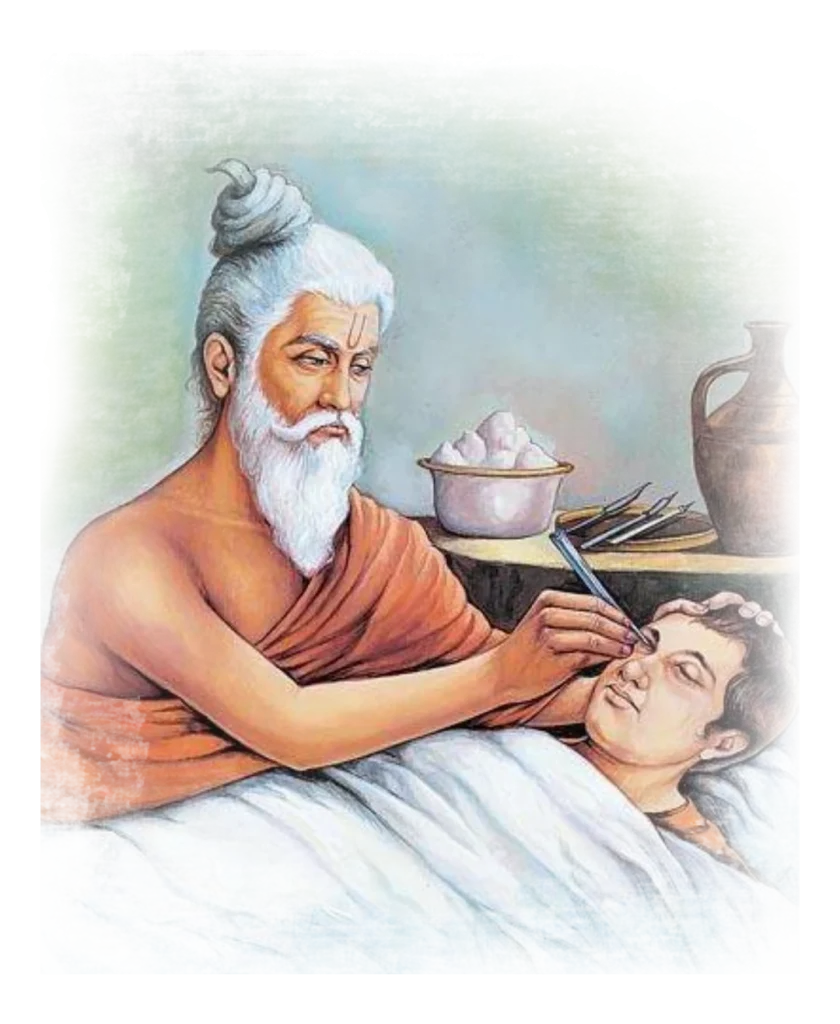
The ancient Ayurvedic texts, such as Charaka Samhita and Sushruta Samhita, played a crucial role in codifying and documenting the principles and practices of Ayurveda. Charaka Samhita, authored by the sage Charaka, focuses on internal medicine, disease diagnosis, and management. Sushruta Samhita, attributed to the sage Sushruta, is dedicated to surgical procedures, including plastic surgery and the use of herbal remedies for various ailments.
These texts not only presented a comprehensive understanding of the human body, diseases, and treatments but also emphasized the importance of preventive medicine and a holistic approach to well-being.
” A Holistic Approach to Well-being “
Ayurveda, the traditional Indian system of medicine, has gained increasing recognition and popularity in western countries over the past two decades. While initially associated with wellness and tourism, Ayurveda goes beyond being a mere trend. Those who have experienced its profound and long-lasting health benefits can attest to its transformative power. Ayurveda encompasses the harmony between individuals and nature, focusing on regeneration, relaxation, and holistic well-being. It offers a comprehensive diagnostic and therapeutic system, rooted in ancient healing knowledge that has been practiced in India for over 3000 years.
” Effectiveness of Ayurveda: Bridging Ancient Wisdom and Modern Science “
Ayurveda, an ancient system of medicine originating from India, has gained recognition and popularity worldwide for its holistic approach to health and well-being. While Ayurveda has been practiced for thousands of years, the effectiveness of its principles and treatments has become a subject of scientific exploration in recent decades. This essay aims to provide an overview of the research conducted on Ayurveda and present evidence that supports its effectiveness in promoting health and treating various conditions.

